KSEB Regulations ⏱️ 6 Min Read 📅 25 Nov 2026

KSEB Net-Metering Regulations 2026: Bi-Directional Meter Installation & Banking Rules

How does bi-directional net-metering work with KSEB? Learn how excess daytime solar units are stored in the grid and deducted from your bi-monthly electricity bill.

GRS
Green Ray Technical Team Engineering Headquarters • Puthiyara, Kozhikode
KSEB Net-Metering Regulations 2026: Bi-Directional Meter Installation & Banking Rules
Green Ray Solutions Solar Engineering in Kerala Kerala Solar Insights

How KSEB Bi-Directional Net-Metering Works

A standard electricity meter only measures units drawn from the grid. A bi-directional net-meter measures electricity flowing in both directions:

  • Import: Units drawn from KSEB during night-time and peak hours.
  • Export: Surplus solar units pushed back into the KSEB grid during sunny daylight hours.

The Bi-Monthly Billing Cycle

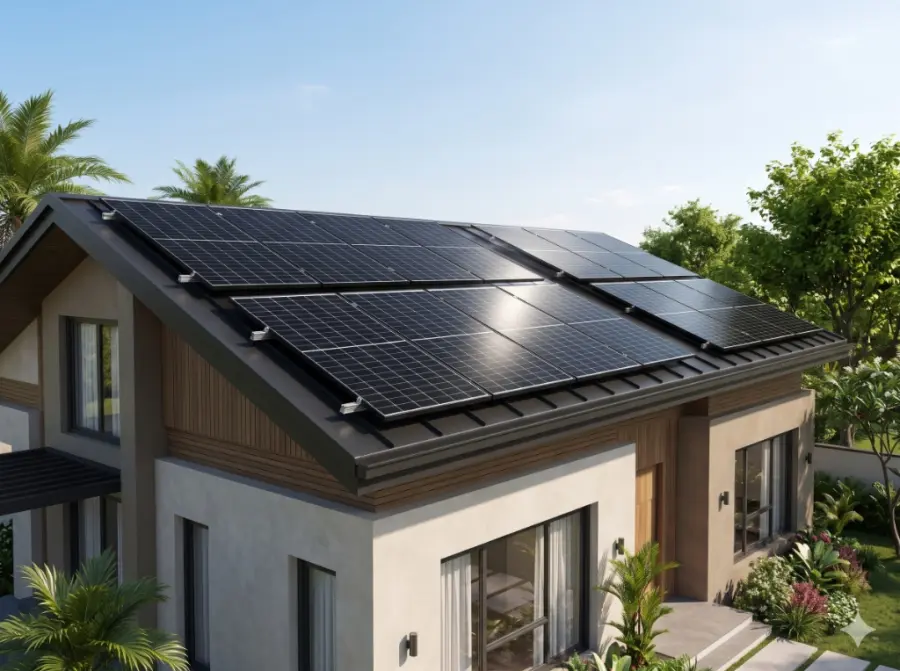
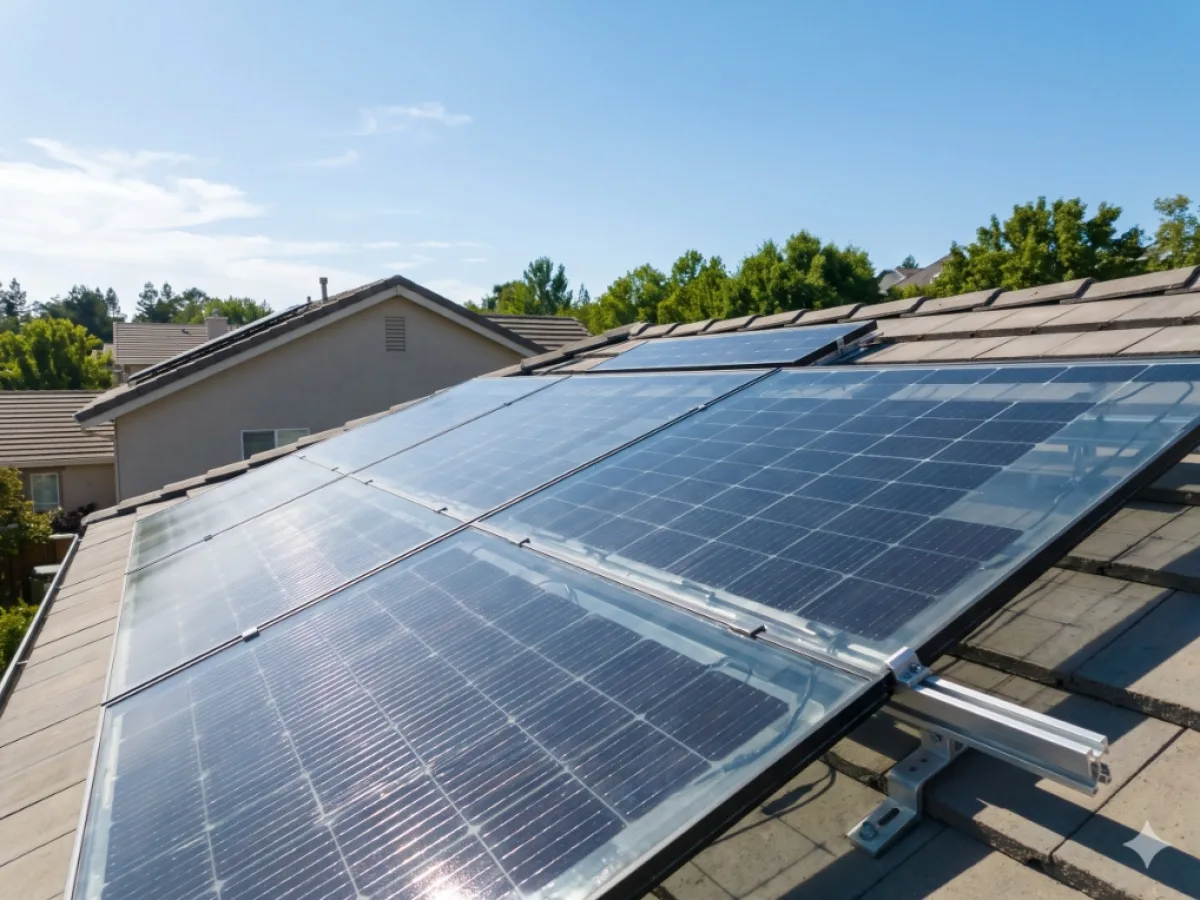
In Kerala, domestic electricity billing occurs once every two months. If your 3 kW rooftop solar system generates 750 units over two months and your household consumes 650 units, your net consumption is zero, and the 100 surplus units remain banked with KSEB for future summer months.

Settlement of Banked Units

Under Kerala State Electricity Regulatory Commission (KSERC) regulations, banked solar credits are settled annually at the end of the settlement year (September 30th) at the average pooled power purchase cost (APPC) rate.
📢 Share this guide with friends & colleagues:
GRS
Green Ray Technical Team Verified EPC Engineer

Senior rooftop solar engineers, MNRE certified compliance specialists, and KSEB net-metering liaison crew based out of Puthiyara, Kozhikode. Dedicated to heavy-monsoon engineering and transparent solar adoption across Kerala.

Surya Mitra AI
Good Morning • Surya Mitra

Save up to 90% on KSEB bills with PM Surya Ghar subsidy! Get instant quote.