Understanding Solar Generation in Rainy Kerala Weather
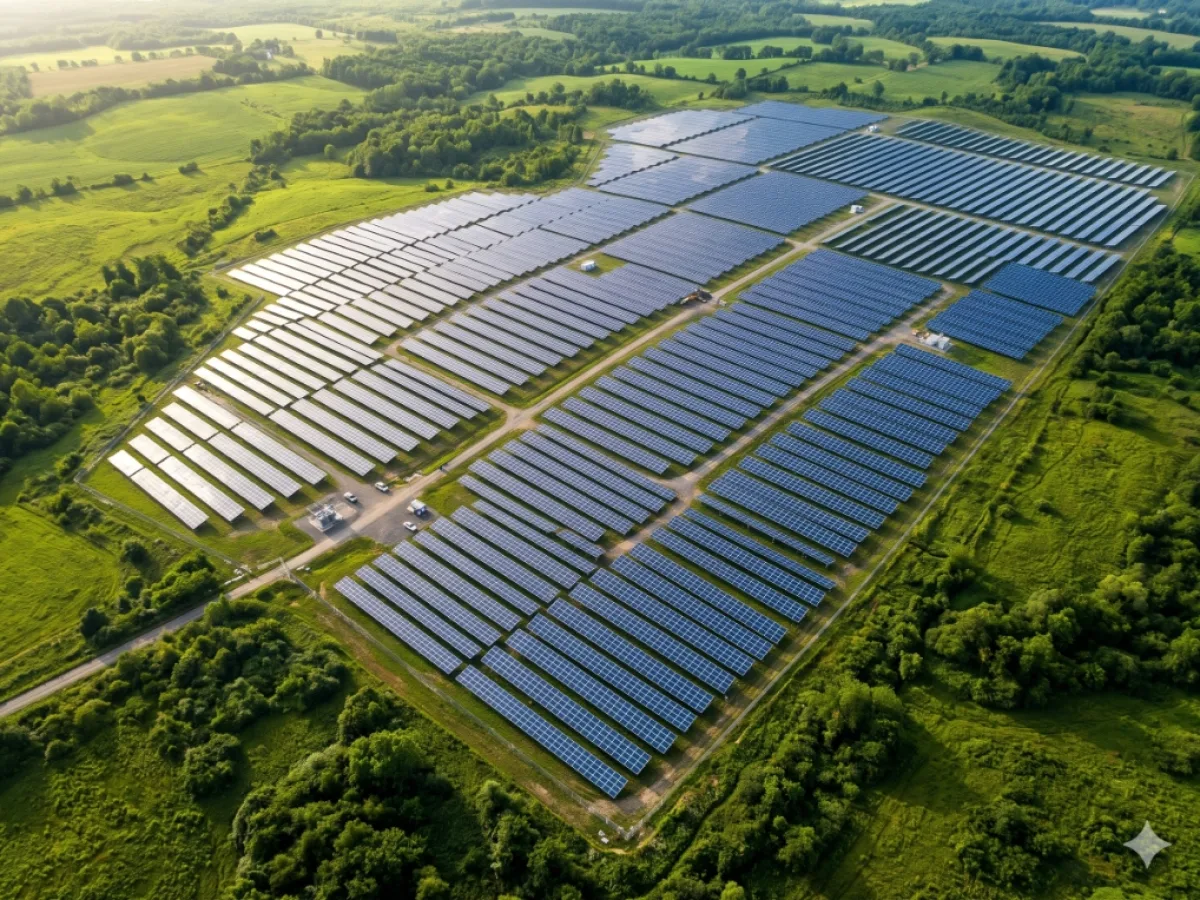
In Kerala, the South-West monsoon (Edavappathi) brings prolonged cloud cover and rain from June to August, followed by the North-East monsoon (Thulavarsham) in October and November. A widespread misconception among prospective solar adopters is that solar panels produce zero electricity on cloudy or rainy days.
How Diffused UV Light Generates Electricity
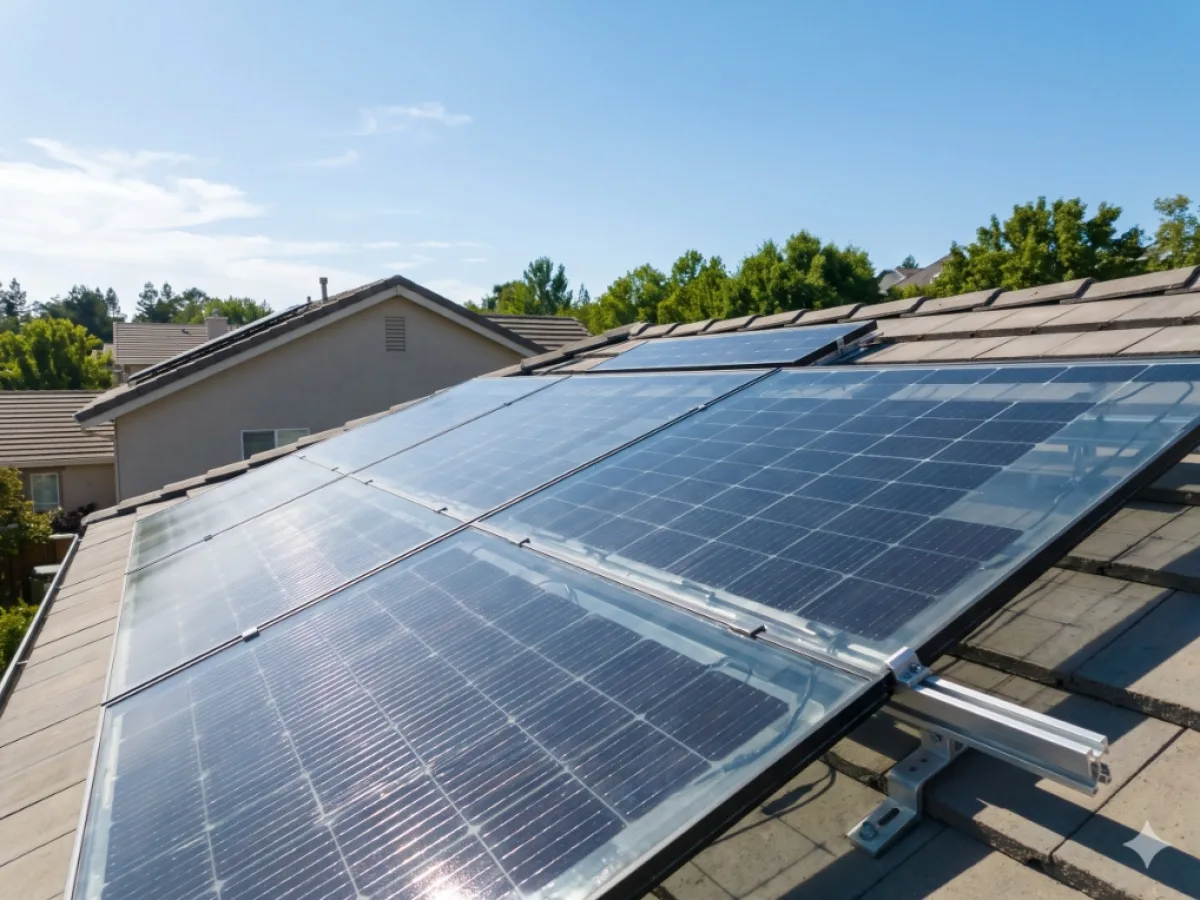
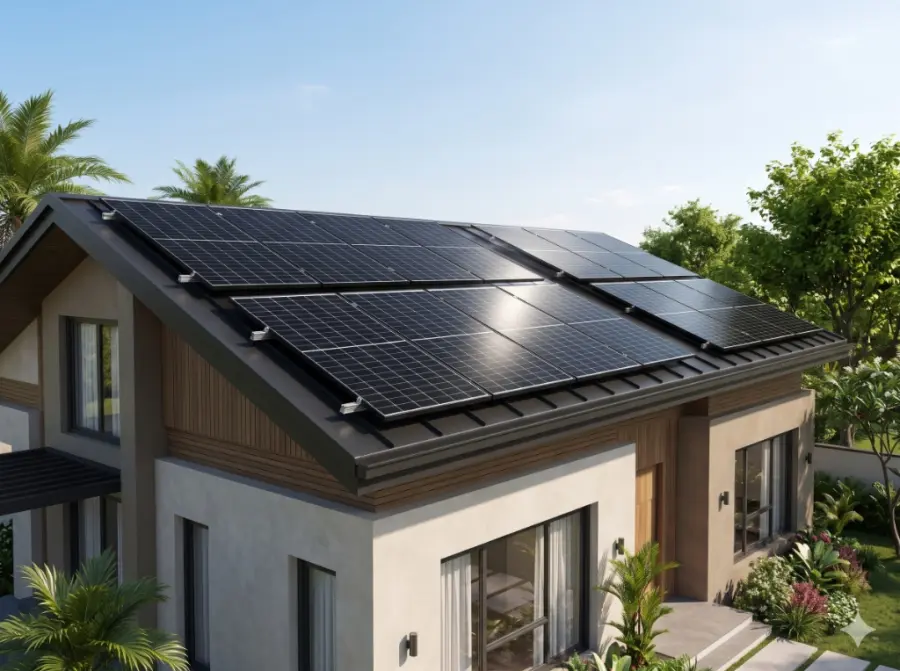
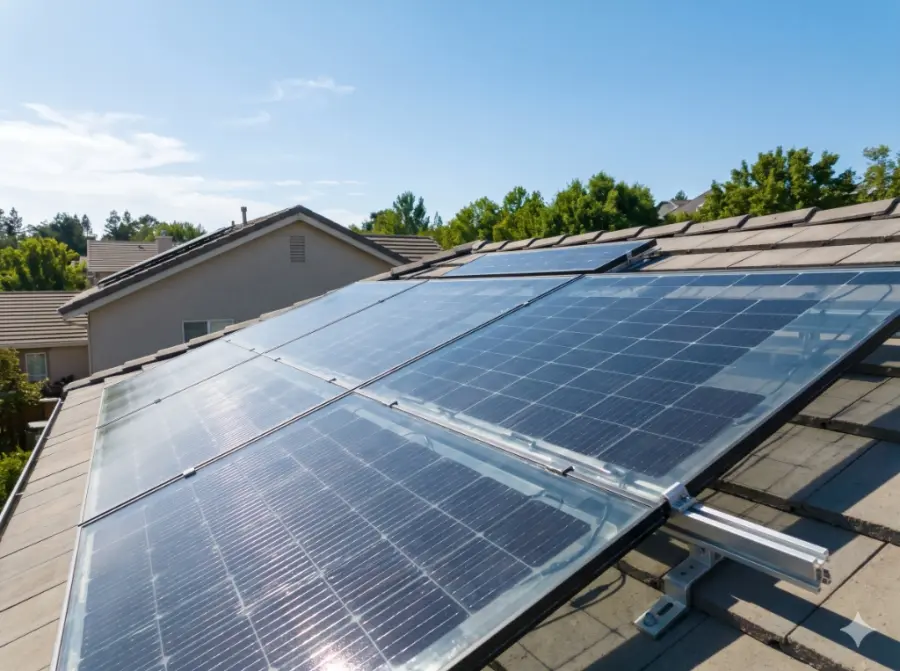
Solar panels do not require scorching direct sunlight to operate—they require photons. Modern Tier 1 Monocrystalline PERC (Passivated Emitter and Rear Cell) and TOPCon panels feature anti-reflective coated tempered glass designed to capture diffused ambient sunlight scattered through rainclouds.
- Overcast / Rainy Days: Generate between 25% to 40% of their peak rated capacity.
- Intermittent Sun Days: Rain washes accumulated dust, pollen, and leaves from panel surfaces, followed by immediate peak generation when the sun breaks through—known as the “cloud-edge effect” where generation can spike up to 110%.
- Annualized Math: Across 365 days, Kerala receives over 280 equivalent sunshine days. The summer surplus banked with KSEB offsets any monsoon deficit through bi-directional net metering.
Engineering Checklist for Kerala Monsoons
To ensure 25+ years of trouble-free monsoon generation, Green Ray Solutions mandates 3 critical engineering practices:
- 6063-T6 Marine Grade Anodized Aluminium: Standard galvanized structures develop brown rust under coastal salt-spray and rain. Marine anodized frames remain completely corrosion-free.
- IP68 Weatherproof Junction Boxes: Hermetically sealed bypass diodes prevent moisture ingress and short-circuit faults.
- Zero-Penetration Sloped Roof Brackets: Terracotta tile roofs must use custom under-tile rafter hooks that never break clay tiles or create roof water leakage.